August 12, 2026
In today's world, sustainability has become a pivotal concept across numerous industries, especially within the automotive sector. This growing emphasis on eco-friendliness has paved the way for innovative methods like Paintless Dent Repair (PDR). PDR, as a technique, offers a more environmentally friendly alternative to traditional dent repair processes involving repainting and fillers. By maintaining the integrity of the vehicle's original paint, PDR reduces the ecological footprint of car maintenance services. In this article, we will explore the sustainability benefits of adopting PDR, considering not only environmental impacts but also economic and societal implications.
The Environmental Impact of Traditional Dent Repair
Emission of Volatile Organic Compounds (VOCs)
The conventional method of repairing auto dents often involves repainting, which releases Volatile Organic Compounds (VOCs) into the atmosphere. These compounds are significant contributors to air pollution, leading to the formation of smog and posing health risks to humans. When paints and solidifying agents evaporate, VOCs are emitted, exacerbating atmospheric pollution. Adopting alternatives that reduce these emissions, like PDR, can considerably benefit air quality. Implementing PDR removes the need for repainting, consequently eliminating the release of VOCs and shielding the environment from these harmful substances.
Energy Consumption in Auto Painting
Traditional auto painting is an energy-intensive process that requires substantial amounts of electricity and resources. Paint booths, for instance, demand significant power to maintain the controlled environments necessary for application. Additionally, energy-intensive curing processes and the production of paints further contribute to high energy consumption. By eliminating the need for repainting, Paintless Dent Repair conserves energy, reducing both electricity use and the global demand for energy resources. This energy conservation is crucial in mitigating the environmental impacts associated with energy generation, such as carbon emissions.
Waste Generation from Paint and Materials
Traditional dent repair not only involves energy inefficiencies but also generates significant waste from excess paint and materials. Paint cans, brushes, and masking tapes add to the scale of waste that needs to be managed. Inadequate disposal of these materials can contribute to environmental pollution, contaminating soil and water sources. Paintless Dent Repair mitigates these issues by eliminating the need for additional paint and related materials. This reduction in waste generation highlights PDR as a more sustainable alternative, aligning with global efforts to minimize environmental pollution and resource depletion.
Impact on Natural Resources
The production of auto paint involves the extraction and consumption of various natural resources, including metals and petrochemicals. These processes place a significant burden on the planet's resources, contributing to environmental degradation and resource scarcity. On the other hand, PDR strategies bypass these traditional needs, significantly diminishing demand for such finite resources. In choosing PDR over repainting, there’s a collective shift towards conserving natural resources and promoting sustainable practices. As this practice grows, it further distances the automotive industry from environmentally taxing processes.
Carbon Footprint Comparison
The carbon footprint associated with traditional dent repair is considerably higher compared to Paintless Dent Repair. Conventional methods involve processes that produce significant greenhouse gases, from paint production to application. By circumventing these steps, PDR offers a substantially lower carbon footprint, aligning well with global emission reduction goals. This comparative difference underlines the benefits of adopting PDR in order to contribute positively to environmental sustainability. Furthermore, businesses adopting PDR can display their commitment to sustainability, appealing to environmentally conscious consumers.
Understanding Paintless Dent Repair (PDR)
Principles of Paintless Dent Removal
The fundamental principle of Paintless Dent Repair revolves around manipulating and massaging the metal back to its original form. Technicians use specialized tools to meticulously push or pull dents from the car's surface without disturbing the paint. This careful and precise manipulation allows the vehicle to retain its original paint finish, preserving its factory condition. An essential characteristic of PDR is its non-invasive nature, which maintains the car’s integrity while offering a more cost-effective solution compared to traditional methods. This innovative process not only benefits consumers economically but also aligns with sustainable repair methodologies.
History and Development of PDR
PDR originated in the mid-20th century, initially gaining traction within automotive manufacturing plants to address minor imperfections. Over the years, it has evolved with advancements in tools and techniques, maturing into a widely recognized repair method. As awareness of its advantages grows, PDR has transcended its manufacturing roots, gaining acceptance in commercial auto repair. The industry's development has been stimulated by the dual benefits of environmental sustainability and economic efficiency. Its growth is evidenced by projections, such as the one by Global Information valuing the PDR tools market at USD 1.13 billion in 2025, showcasing its increasing relevance and acceptance.
Common Applications and Limitations
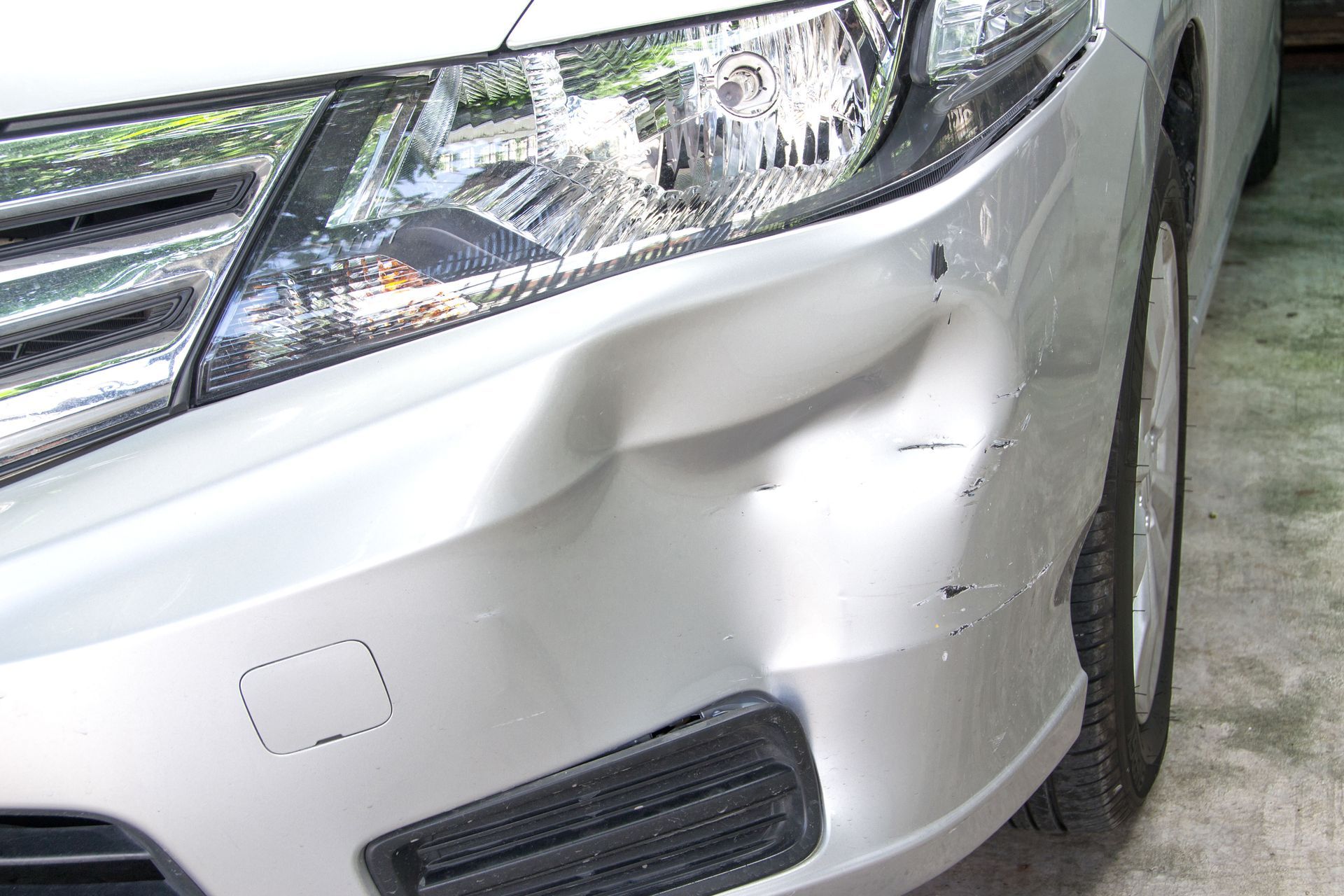
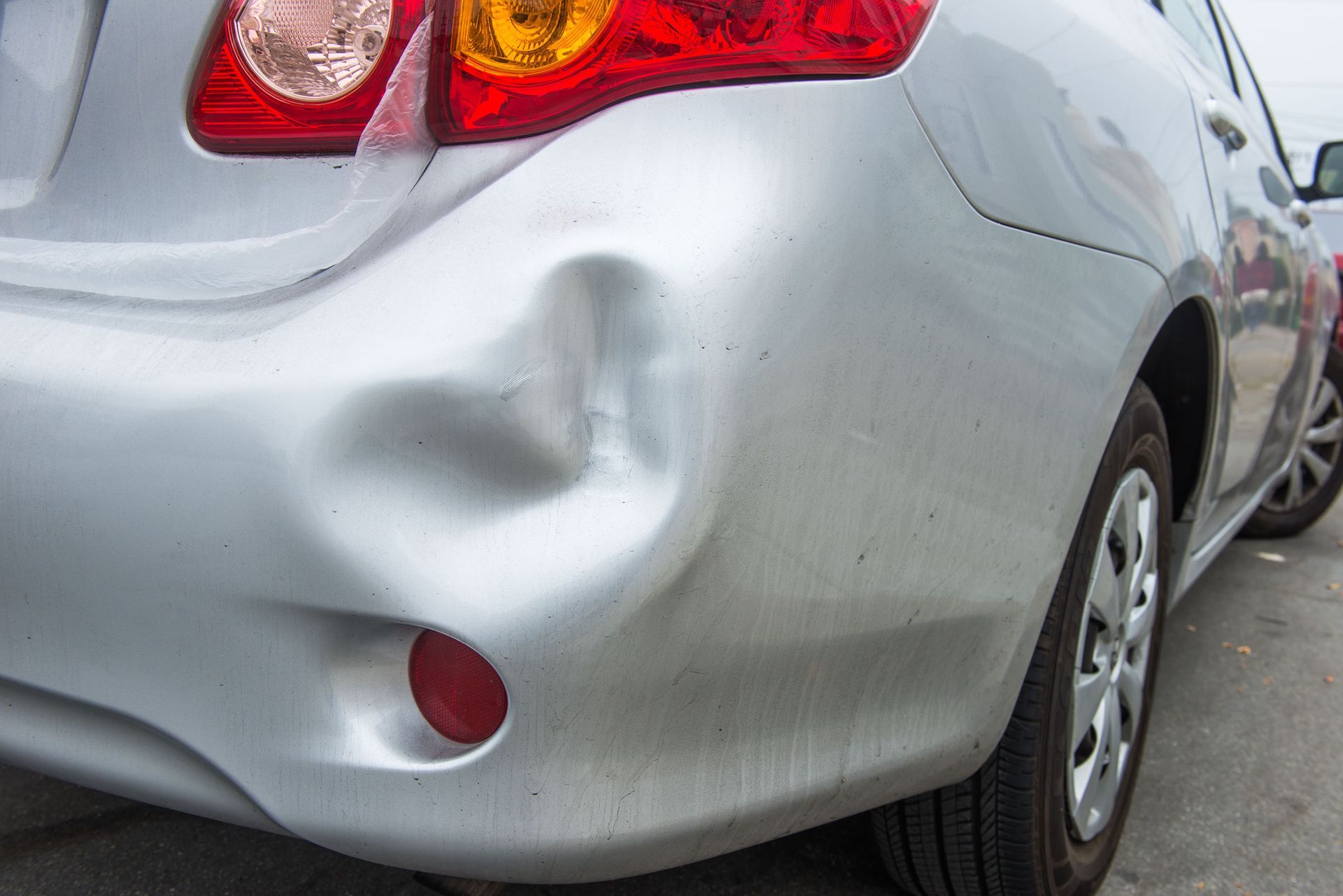
PDR is frequently applied to repair minor dents and dings where the paint hasn’t been cracked or deeply scratched. It is particularly effective for fixing hail damage, slight collisions, or parking lot mishaps. However, PDR has limitations; it is unsuitable for very large dents or areas where paint has been significantly damaged or stretched. Despite these restrictions, it serves as an essential, eco-friendly option for many minor to moderate repairs. The advancement in PDR tools and techniques continually expands its applicability, bringing further opportunities for innovation and broader use.
Tools and Techniques Used in PDR
Professionals in PDR employ a diverse array of specialized tools designed to apply precise pressure to areas affected by dents. Tools such as metal rods, body picks, and glue tabs are utilized to manipulate the metal beneath the car’s surface gently. The process involves assessing the dent's location and depth to determine the appropriate approach and tool selection. Techniques are highly procedural and require substantial skill, involving a methodical approach to restore the panel's original shape. As these tools and techniques enhance, so too does the potential scope of PDR, providing technicians with greater capabilities in repair.
Comparative Effectiveness of PDR
Paintless Dent Repair demonstrates high effectiveness when used on suitable dents, often matching traditional methods in outcomes. Its effectiveness depends on factors such as dent size, location, and paint condition. In scenarios where PDR is applicable, it often surpasses traditional repair in terms of efficiency, time consumption, and cost. This comparative advantage highlights PDR’s role in offering a practical, environmentally friendly solution without compromising on repair quality. As techniques continue to evolve, PDR’s effectiveness will likely expand, increasing its accessibility and appeal in the automotive repair sector.
Economic Benefits of PDR for Consumers
Cost Efficiency
One of the primary advantages of Paintless Dent Repair is its cost efficiency compared to traditional dent repair methods. By avoiding the repainting process, PDR reduces material costs, such as paint, primer, and fillers, thereby lowering overall repair expenses. Another factor contributing to its affordability is the reduced labor time required to perform PDR, translating to lower service fees for consumers. As car maintenance costs continue to climb, opting for PDR presents a financially smart choice, making it increasingly popular among cost-conscious vehicle owners. These cost savings go hand in hand with the sustainable nature of PDR, as less time and resources are expended per repair.
In addition to cost benefits, Paintless Dent Repair offers the advantage of significantly reduced repair times. Traditional dent repair can take days due to paint drying and curing times, whereas PDR is often completed within hours, depending on the dent's complexity. This rapid turnaround is beneficial for both consumers and repair shops, as vehicles spend less time off the road, and repair facilities can enhance operational efficiency. Faster repair times lead to improved customer satisfaction, encouraging repeat business and fostering consumer loyalty. The combination of quick service and high-quality outcomes positions PDR as an attractive option in the automotive repair market. According to Global Information, the automotive paintless dent removal tools market was valued at USD 1.13 billion in 2025. Be sure to reach out to The Dent Shop today to learn more about our professional auto dent removal!